
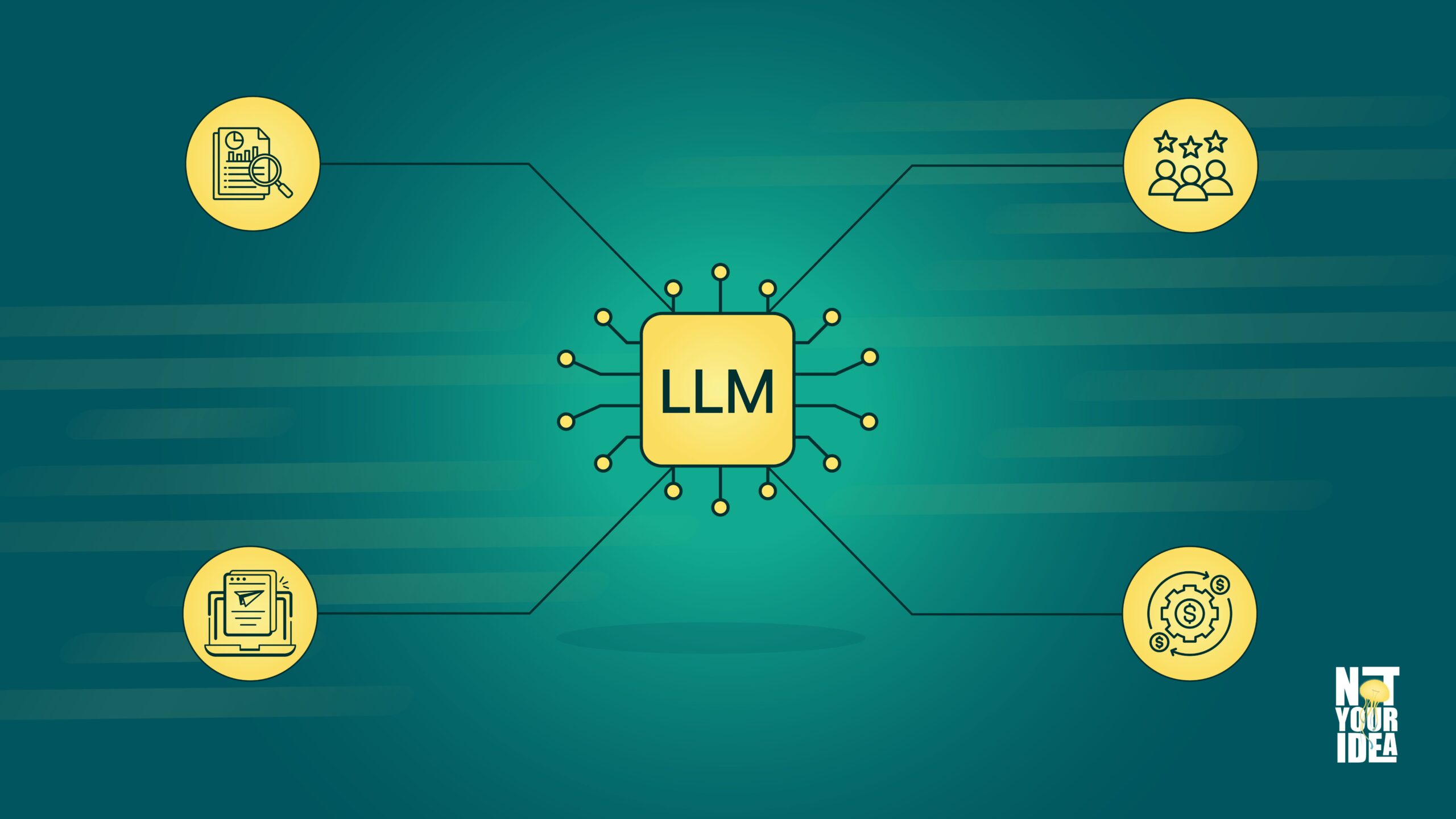
Transforming Education in the Digital Era
In today’s fast-paced digital world, educational institutions and organizations are constantly seeking innovative solutions to enhance learning experiences, improve knowledge retention, and streamline administration. Two powerful tools that are shaping modern education are Learning Management Systems (LMS) and Large Language Models (LLM). While these systems serve different purposes, they increasingly intersect to create more intelligent, personalized, and efficient educational environments.
Understanding LMS (Learning Management System)
A Learning Management System (LMS) is a software platform designed to manage, deliver, and track learning activities. LMS platforms are widely used in schools, universities, and corporate training programs. Their primary functions include:
-
Hosting and organizing online courses and materials
-
Tracking learner progress and performance
-
Facilitating assessments, quizzes, and assignments
-
Enabling communication between instructors and learners
-
Automating administrative tasks such as enrollment, grading, and reporting
Popular LMS platforms include Moodle, Blackboard, Canvas, and EdUniversa’s own digital learning solutions. LMS systems empower learners to access educational content anytime, anywhere, while providing educators with data-driven insights to optimize teaching strategies.
The Role of LLM (Large Language Model) in Education
Large Language Models (LLMs), such as OpenAI’s GPT series, are advanced AI systems trained to understand, generate, and process human language. In education, LLMs offer unique capabilities that complement LMS platforms:
-
Personalized Learning: LLMs can create customized explanations, study guides, and tutoring sessions based on individual learner needs.
-
Content Generation: Educators can leverage LLMs to generate assignments, quizzes, summaries, and learning materials efficiently.
-
Natural Language Assistance: Students can interact with LLM-powered chatbots to ask questions, clarify concepts, or practice language skills in real time.
-
Data Analysis: LLMs can process student feedback, essays, and discussion forums to provide actionable insights for improving course quality.
By integrating LLMs with LMS platforms, institutions can create highly adaptive learning environments that cater to diverse student needs while optimizing instructor workloads.
Synergy Between LMS and LLM Systems
The combination of LMS and LLM technology represents a paradigm shift in digital education. While LMS provides the structural backbone to deliver courses and track performance, LLM adds intelligence, interactivity, and personalization. Key benefits of this integration include:
-
Enhanced Learner Engagement: AI-generated interactive content keeps students motivated and supports various learning styles.
-
Automated Administrative Support: Tasks like grading, feedback, and content updates can be partially automated with LLM assistance.
-
Scalable Personalized Education: Even in large classes, students receive customized guidance and learning experiences.
-
Continuous Improvement: Analysis of student interactions and AI-generated insights allow educators to refine and adapt courses in real time.
Future Outlook
As AI technology continues to advance, the integration of LMS and LLM systems will become increasingly seamless. We can expect a future where:
-
Courses are dynamically tailored to learners’ progress
-
Real-time AI tutors support every student individually
-
Data-driven educational strategies become standard practice
-
Lifelong learning is facilitated by intelligent, self-adapting digital platforms
Conclusion
LMS and LLM systems, individually powerful, together form the backbone of the next generation of education. They offer unprecedented opportunities to personalize learning, enhance student engagement, and improve educational outcomes. For institutions, educators, and learners alike, understanding and leveraging these systems is no longer optional—it is essential for thriving in the digital era.



1 Comment
good